Tank Cleaning
Comprehensive Septic Tank Cleaning
We thoroughly clean your septic tank to remove sludge and build-up, preventing blockages and ensuring efficient waste management.
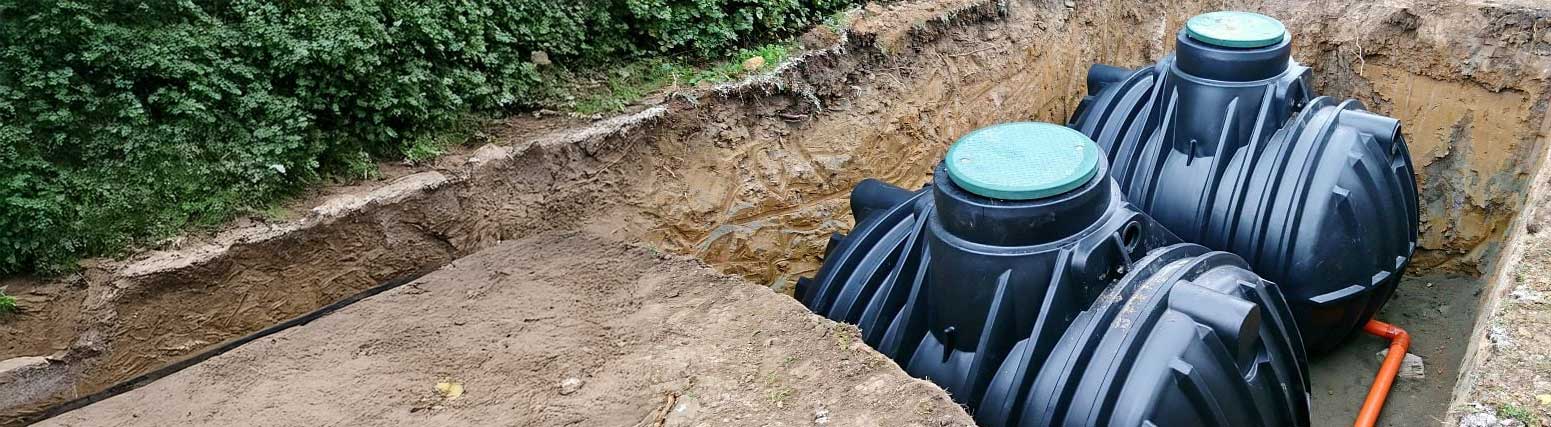
Drainage help for homes & businesses
Planning work or investigating a drainage problem? Request a callback to discuss your property and the next steps.
Explore this serviceThanks! Our team will be in touch. If it is urgent, please call us now.
03300 243 770Our septic tank services provide reliable maintenance, cleaning, and repair solutions to ensure optimal performance and prevent costly issues. With regular care, we help keep your septic system running smoothly and safely.
Understand your system
Explore the details, warning signs and practical advice before arranging work.
CM Trade Solutions offers comprehensive septic tank services to ensure your property's waste management system operates efficiently and complies with environmental regulations. Our expert team provides installation, maintenance, repair, and replacement services for all types of septic systems.
With years of experience and state-of-the-art equipment, we deliver reliable solutions tailored to your specific needs, whether you're a homeowner or a business owner managing larger commercial septic systems.
We offer a comprehensive range of septic tank services to keep your system functioning optimally:
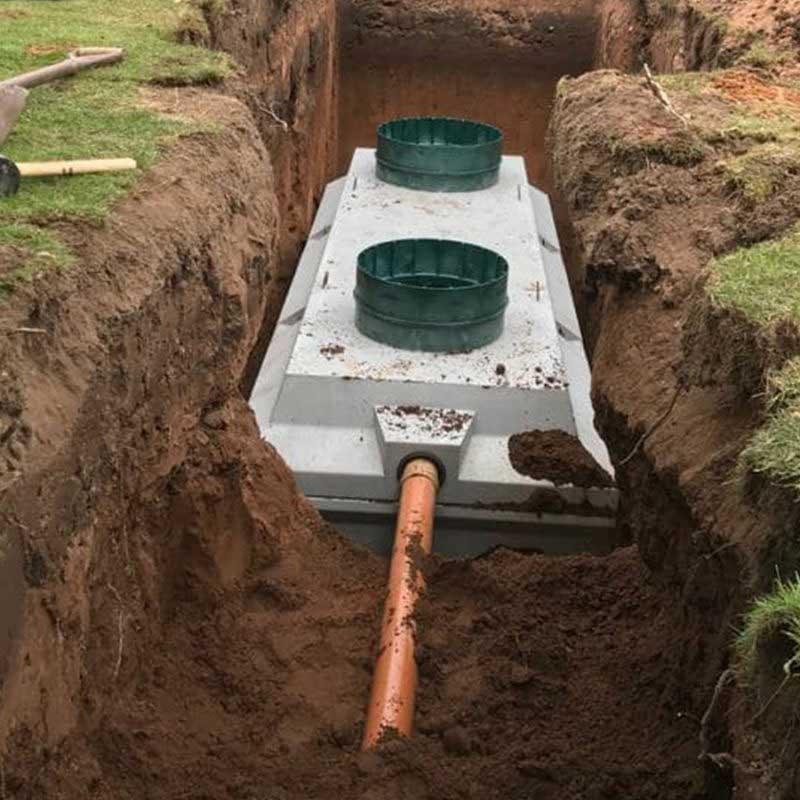
• Septic Tank Installation: Expert installation of new septic systems, ensuring proper sizing and placement.
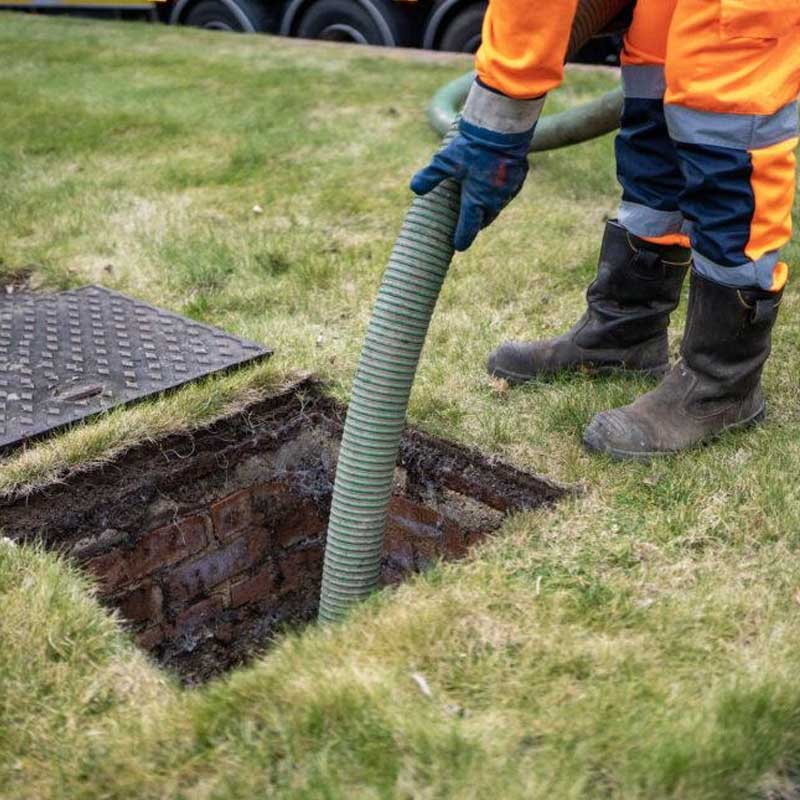
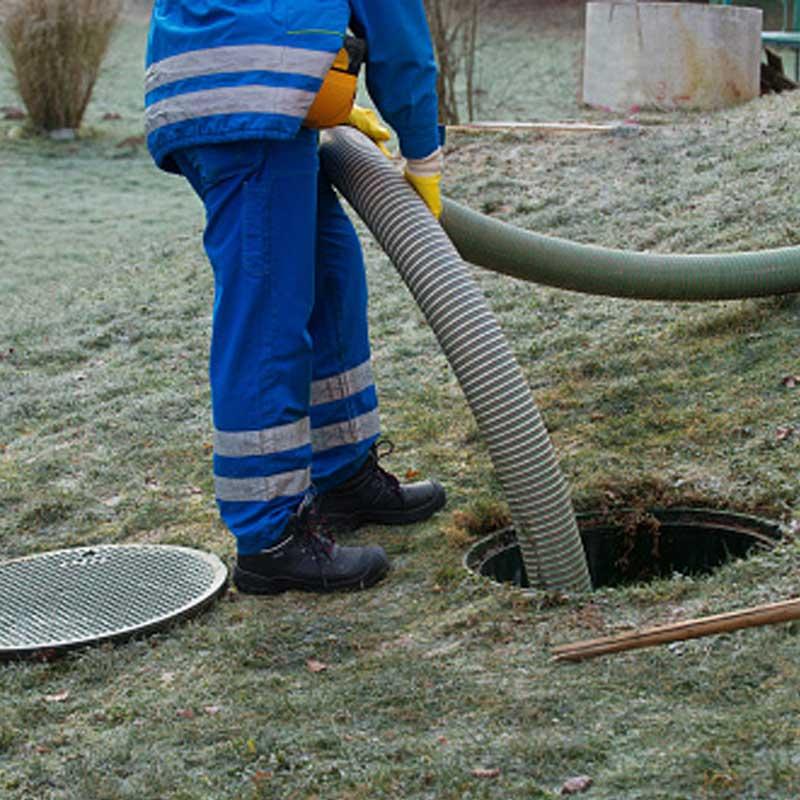
• Routine Maintenance: Regular inspections and pumping to prevent issues and extend system lifespan.
• Repairs and Troubleshooting: Swift diagnosis and repair of septic system problems.
• Septic Tank Replacement: When repair isn't feasible, we offer full system replacement services.
• Drainage Field Services: Maintenance and repair of septic drainage fields.
• Compliance Checks: Ensuring your septic system meets current environmental regulations.
• Emergency Services: 24/7 response for urgent septic system issues.
Selecting the right provider for your septic tank services is crucial. Here's why CM Trade Solutions stands out:
1. Expertise: Our team of certified professionals has extensive experience in all aspects of septic system management.
2. Comprehensive Service: From installation to maintenance and repairs, we handle all your septic tank needs.
3. Advanced Technology: We use the latest equipment and techniques for efficient and effective service.
4. Environmental Compliance: We ensure all our services meet or exceed environmental regulations.
5. Customer-Centric Approach: We Prioritise clear communication and customer satisfaction in all our services.
6. Emergency Response: Our 24/7 emergency service ensures you're never left in a crisis.
7. Clear Pricing: We explain the recommended work and costs before you decide how to proceed.
Choose CM Trade Solutions for reliable, efficient, and professional septic tank services. Contact us today to schedule a consultation or service appointment.
Recognizing the early signs of septic tank issues can prevent more serious problems. Watch out for:
• Slow Draining: Sinks, showers, or toilets draining slower than usual.
• Bad Odors: Foul smells around drains or in your yard near the septic system.
• Wet Spots in Yard: Unusually lush or soggy areas in your lawn, especially near the drain field.
• Sewage Backup: This is a serious issue requiring immediate professional attention.
• Gurgling Sounds: Unusual noises from pipes or drains.
• Algae Growth: Excessive algae in nearby ponds or lakes can indicate leaking sewage.
• Lush Vegetation: Unusually green or fast-growing grass over the drain field area can indicate a leaking septic system.
If you notice any of these signs, contact CM Trade Solutions immediately for a professional assessment and solution.
Useful to know
The frequency of septic tank pumping depends on several factors, including the size of your tank, the number of people in your household, and your water usage. As a general rule, most septic tanks should be pumped every 3 to 5 years. However, for larger households or those with higher water usage, more frequent pumping may be necessary. Regular inspections by our professionals can help determine the optimal pumping schedule for your specific system.
To maintain a healthy septic system, avoid flushing or draining the following: 1. Non-biodegradable items (wipes, diapers, feminine hygiene products) 2. Harsh chemicals or cleaning products 3. Grease, oil, or fat 4. Coffee grounds 5. Pharmaceuticals 6. Paints or solvents 7. Excessive amounts of bleach or antibacterial products These items can disrupt the bacterial balance in your septic tank, cause clogs, or even damage the system. Stick to toilet paper and human waste for flushing, and be mindful of what goes down your drains.
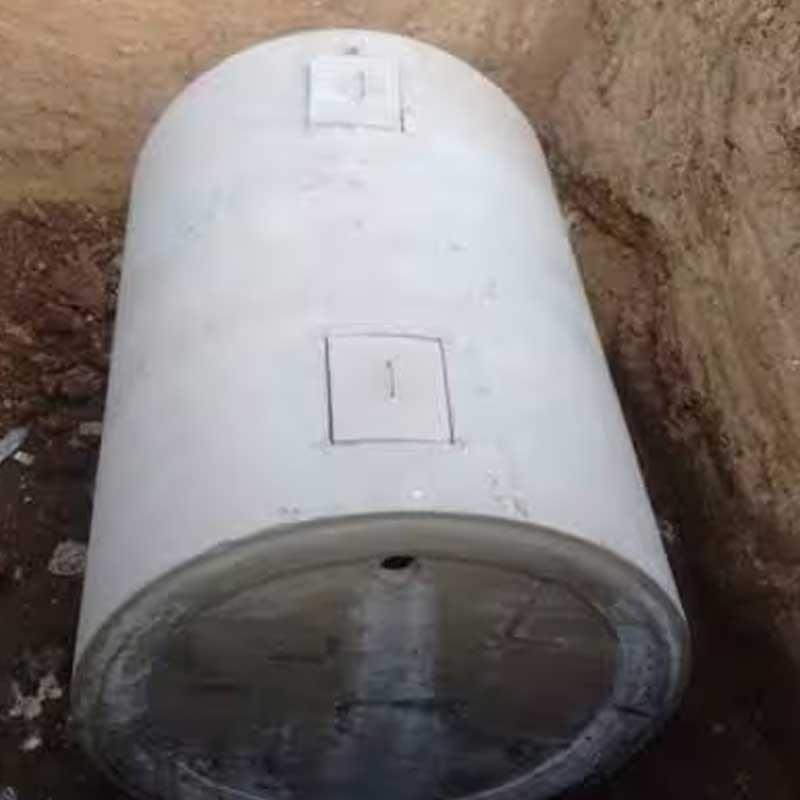
The lifespan of a septic tank can vary depending on several factors, including the material it's made from, how well it's maintained, and the conditions of the surrounding soil. On average: 1. Concrete septic tanks can last 40 years or more with proper maintenance. 2. Plastic septic tanks typically last 30-40 years. 3. Steel tanks have the shortest lifespan, often 15-20 years, due to potential rust issues. Regular maintenance, including pumping and inspections, can significantly extend the life of your septic system. If you're unsure about the age or condition of your septic tank, our team can perform a thorough assessment and advise on its expected lifespan and any necessary repairs or replacements.
Several signs can indicate that your septic tank is full or failing: 1. Slow draining sinks, showers, or toilets 2. Gurgling sounds in the plumbing system 3. Bad odors around drains or in the yard 4. Wet or mushy areas in the yard, especially near the drain field 5. Sewage backing up into the house 6. Bright green, spongy grass over the drain field, even during dry weather 7. Pooling water or muddy soil around your septic system or in your basement 8. Bacteria or nitrates in your well water If you notice any of these signs, it's crucial to contact a professional immediately. Ignoring these symptoms can lead to more severe and costly problems, as well as potential health hazards.
Yes, tree roots can cause significant damage to septic systems. Roots are naturally drawn to the water and nutrients in septic systems and can infiltrate the pipes, tank, or drain field. This can lead to: 1. Clogged or broken pipes 2. Damage to the septic tank structure 3. Compromised drain field efficiency To prevent root damage: 1. Avoid planting trees or large shrubs near your septic system 2. If trees are already present, consider installing root barriers 3. Regularly inspect your system for signs of root intrusion 4. Consider removing trees that pose a high risk to your septic system If you suspect root damage, our team can perform a CCTV inspection to assess the situation and recommend appropriate solutions, such as root removal or pipe repair.
To maintain your septic tank system: 1) Schedule regular pumping every 3-5 years. 2) Conserve water to avoid overloading the system. 3) Avoid flushing non-biodegradable items. 4) Use septic-safe cleaning products. 5) Keep accurate records of maintenance and repairs. 6) Protect the drain field from vehicle traffic and planting. 7) Have professional inspections annually. Proper maintenance can significantly extend the life of your septic system and prevent costly repairs.
To determine if your property has a septic tank: 1) Check your property records or deed. 2) Look for septic tank lids in your yard. 3) Check if you're billed for municipal sewer services. 4) Consult your home inspection report if available. 5) Look for a drain field in your yard. 6) Ask neighbors if the area uses septic systems. 7) Contact local health department for records. If unsure, a professional inspection can confirm the presence and location of a septic system.
To prepare for a septic tank inspection: 1) Locate your septic tank and drain field. 2) Clear the area around the tank for easy access. 3) Gather maintenance records if available. 4) Avoid using water excessively before the inspection. 5) Make a list of any issues you've noticed. 6) Be prepared to flush toilets during the inspection. 7) Ensure all drains and toilets are accessible. Good preparation can help ensure a thorough and efficient inspection.
To protect your septic system during heavy rain: 1) Ensure proper landscaping to divert water away from the drain field. 2) Fix any leaky plumbing to reduce system load. 3) Avoid using water excessively during heavy rainfall. 4) Install a backflow preventer if you're in a flood-prone area. 5) Have your tank pumped before the rainy season if it's due. 6) Avoid driving or placing heavy objects on the drain field. 7) Consider installing an effluent filter if you don't have one. These steps can help prevent system overload and potential failures during periods of heavy rainfall.
To choose the right size septic tank: 1) Determine the number of bedrooms in your home. 2) Consider the number of occupants and water usage habits. 3) Check local regulations for minimum tank size requirements. 4) Factor in any future expansion plans. 5) Consider the soil type and absorption rate. 6) Consult with a professional septic system designer. 7) Remember, bigger is often better for longevity and efficiency. A properly sized tank is crucial for effective waste management and system longevity.
To extend the lifespan of your septic tank: 1) Follow a regular pumping and maintenance schedule. 2) Be mindful of what goes down your drains and toilets. 3) Conserve water to reduce strain on the system. 4) Protect the drain field from compaction and root intrusion. 5) Use septic-safe cleaning products. 6) Install water-efficient fixtures to reduce system load. 7) Address any issues promptly to prevent major damage. Regular care and professional maintenance can significantly extend your septic system's lifespan and prevent costly replacements.
A closer look
See why local homes and businesses trust CM Drainage to get things flowing again.
Loading our latest Google reviews…
LET'S TALK
Request a callback about septic tank services. Share a few details and our team will be in touch to discuss the next steps.
Thanks! Our team will be in touch. If it is urgent, please call us now.
03300 243 770